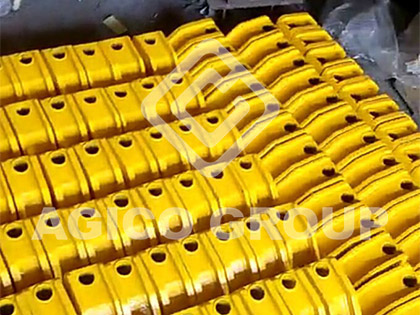
Find the right joint bar for your rail
Rail Fishplate Types Introduction
Rail fishplates, also called joint bars or splice bars, connect adjacent rail ends. Since the rail types varies due to its’ application fields and national standards, fishplates are produced in different rail profiles and joints design, followed by the drilling pattern, operating conditions and insulation requirements. AGICO supplies fishplates due to rail weight, bolt-hole count at factory price with high quality.
Is rail joint and fishplate the same?
Rail joint, rail joint bar and fishplate are always used to describe the same rail product, strictly speaking, rail joint bar and fishplate are 2 names for the same part, while rail joint means the whole joint system including the 2 pieces of fishplates, 2 rail ends, a group of high-strength rail bolts (joint bolts) and nuts. Suppliers or factories, including AGICO, supplies the fishplates together with its’ fasteners.
Need Fishplates with Matching Bolts?
Send your rail profile, drilling drawing and quantity for a quotation covering the joint bars and required fasteners.
Request a Joint Bar Quote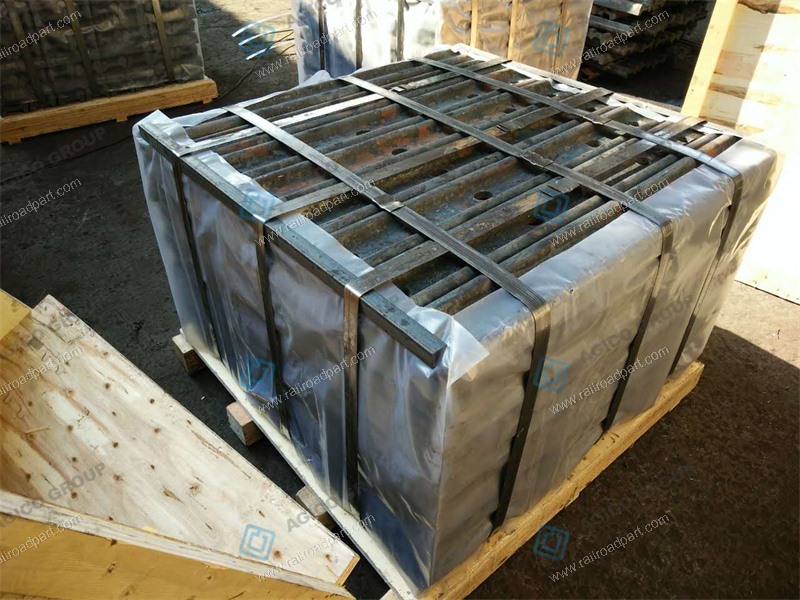
What is the Fishplate Role in Rail Joint
Fishplates are generally fitted in pairs on opposite sides of a rail joint. Together with joint bolts, nuts and specified accessories, they help maintain rail-end alignment and transfer loads across the joint. They do not replace the support and restraint provided by sleepers, fastenings and the track foundation.
A conventional bolted joint may incorporate a rail-end gap as specified by its design. Movement allowance is not the same for every joint. Gap settings, bolt tightening and installation requirements must follow the applicable design.
Rail Fishplate Supply Range
We supply steel rail fishplates, also known as rail joint bars, for a range of rail profiles. Our supply range includes:
| Rail Series | Available Profiles and Configurations |
|---|---|
| AREMA | 132RE six-hole joint bars; 115RE four-hole and six-hole joint bars |
| UIC | UIC54 and UIC60 fishplates in four-hole and six-hole configurations |
| BS | BS80A and BS80O four-hole fishplates; BS90A four-hole and six-hole fishplates |
| GB | Six-hole fishplates for 43, 50 and 60 kg/m rails |
Additional enquiries for 100-8, NIJ-721 and NIJ-722 joint bars can be reviewed against the required drawings and specifications.
Matching Bolts and Supply Options
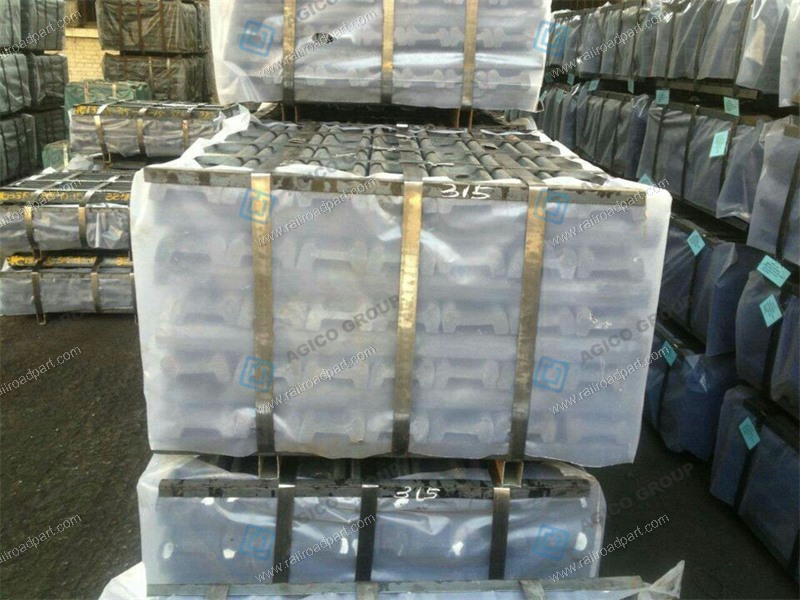
Matching fish bolts, track bolts and nuts can be included in the quotation, with sizes confirmed against the joint assembly drawing. Plain and black-oil surface options are available, with steel-strapped bundles on steel or wooden pallets for shipment.
Drawing-Based Product Matching
We also accept enquiries for custom fishplates. Please provide the rail profile, fishplate dimensions, hole pattern, material requirements and order quantity. We will check these details against available designs and tooling before confirming the supply specification.
Types of Fishplates by Rail Profile
Light Rail Fishplates
These bars fit corresponding light rail sections, with examples including 12, 15, 18, 22, 24 and 30 kg/m profiles used on mine and industrial transport tracks. Some products have four holes, but the actual profile and drilling drawing must determine compatibility.
Heavy Rail Fishplates
Examples include bars for corresponding 38, 43, 50, 60 and 75 kg/m rail sections. Some products use six-hole patterns. Always verify the profile, hole diameter, spacing and railway requirements rather than selecting by hole count alone.
Crane Rail Fishplates
Products are available for corresponding QU70, QU80, QU100 and QU120 crane rail profiles where the project specifies a fishplated connection. Confirm the required joint arrangement first; not every crane runway uses the same connection method.
Compromise Fishplates
Compromise joint bars connect different rail sections. Rail height, head width and web geometry may differ on either side. Provide both profile drawings and rail wear details. The engineering design should determine whether compromise bars or a purpose-made transition rail arrangement is appropriate.
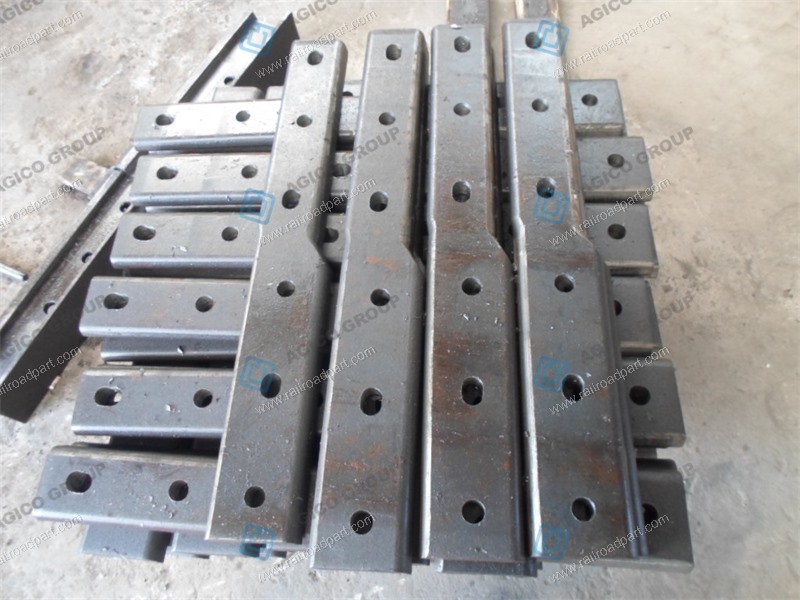
These designations are examples from the source material, not a universal compatibility list. Rails with the same nominal mass, and bars with the same hole count, may still have different contact geometry and connection dimensions.
Select the Required Joint Function
Conventional Steel Fishplates
Steel bars provide a mechanical connection where the joint design permits their use. They are electrically conductive. Material grade, manufacturing route, heat treatment and mechanical properties must follow the applicable specification and drawings. No single steel grade or treatment suits every joint.
Insulated Rail Joint Systems
Where a joint must separate track circuits, select an approved complete insulation system. Designs may use composite bars or steel bars combined with insulating layers, end posts and bolt insulation. Bar material alone does not establish the electrical or mechanical performance of the assembled joint.
Glued insulated joints combine an adhesive system, insulating components and bolted connections. Selection must address electrical performance, mechanical capacity, rail profile and installation method. A pair of insulated bars is not a substitute for specifying the complete assembly.
High Restraint Joints
Some joint designs use purpose-designed bars and bolting to provide high longitudinal restraint. They are not inherently insulated. Their resistance, permitted locations and suitability as alternatives to other connections must be established from the specific design and validation documents, rather than a generic resistance figure.
Frozen Rail Joint Bars: Forged 40Cr Design
The updated frozen joint bar design uses die forging and 40Cr steel in place of the earlier rolled No. 55 steel design. It incorporates counterbored holes, optimized bolt and nut configurations and dimensions, and modified-thread anti-loosening nuts.
| Update | Earlier Design | Updated Design |
|---|---|---|
| Manufacturing process | Rolled forming | Die forging |
| Bar material | No. 55 steel | 40Cr steel |
| Joint and fastener geometry | Previous bar, bolt and nut arrangement | Counterbored bar holes; optimized bolt and nut configurations and dimensions; modified-thread anti-loosening nuts |
According to the supplied product information, these changes substantially improve the overall strength, shear resistance and fatigue life of the frozen joint assembly.
Specified application: lines using 60 kg/m rails, with operating speeds of 160 km/h or below and axle loads of 17 t or below. The I/I-type frozen joint bars are specified for turnout areas and sections where frozen joints are installed consecutively.
Reported applications: the supplied product information lists installations on the Beijing New Airport Line, Shanghai Metro and Ningbo Metro, and reports satisfactory service performance.
For selection, confirm the I/I-type drawing, rail profile, fastener dimensions and project requirements. For related product information, see high-strength fishplates.
Five Steps to Select the Right Fishplate
1 Identify the Rail Profile and Standard
Provide the full rail designation, standard and profile drawing. A description such as “50 kg rail” does not define every connection dimension. For existing track, check rail wear and rail-end condition as well.
2 Check Contact Geometry and Drilling
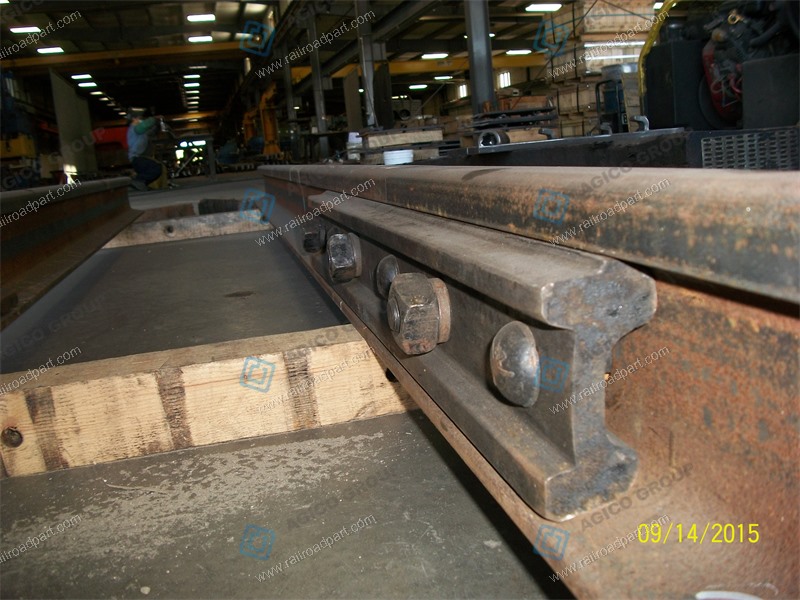
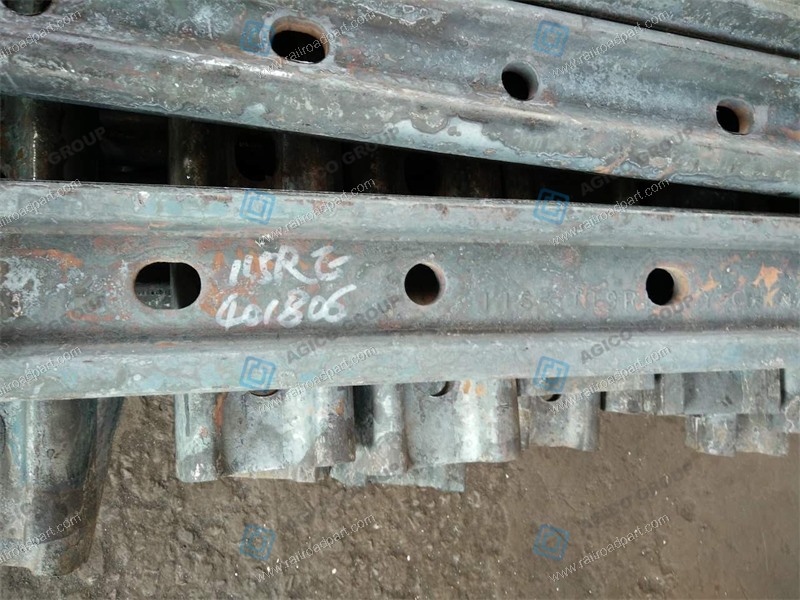
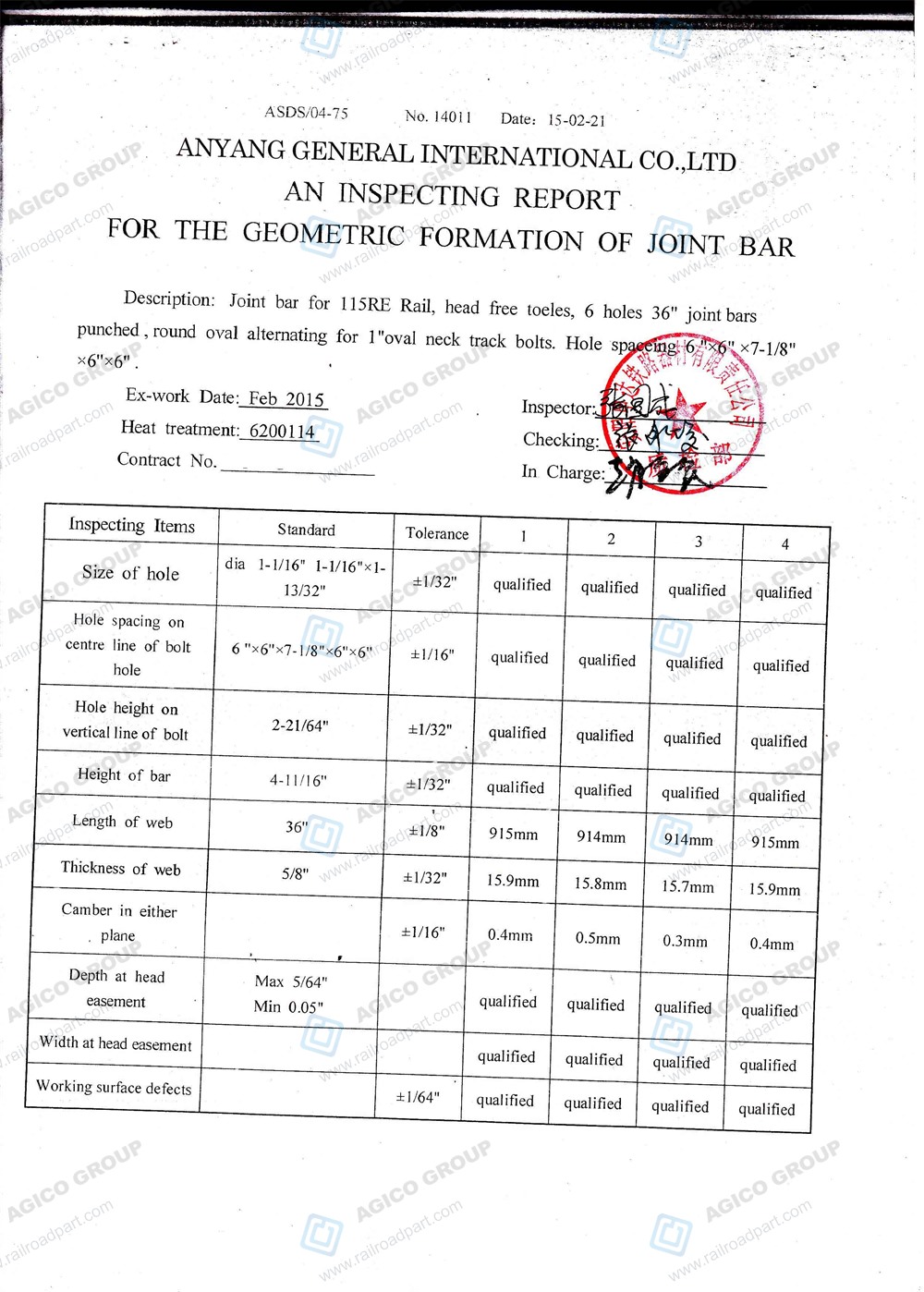
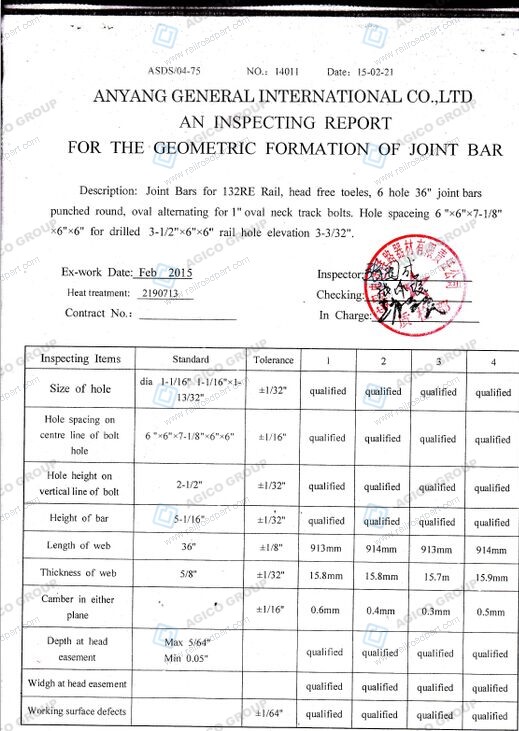
Verify bar length, section, hole count, hole diameter, spacing and end-hole position. Confirm compatibility with the rail and bolts. A mismatch calls for a drawing review, not improvised hole enlargement or machining on site.
3 Define the Operating Conditions
State the application, axle load or wheel load, speed, traffic frequency and environmental exposure. Mine track, railway track and crane runways have different demands; select for the actual service conditions.
4 Confirm Insulation and Movement Requirements
Establish whether electrical insulation is required, whether movement is permitted and whether the joint interfaces with continuously welded rail. Each joint type must follow its specified design. For the forged 40Cr frozen joint bars described above, check the specified 60 kg/m rail, 160 km/h maximum speed and 17 t maximum axle load against the project conditions.
5 Review Quality Records and Supply Scope
Check material certification, dimensional inspection, required performance tests and batch traceability. Insulated joints also require relevant electrical test records. Confirm which bolts, nuts, washers and insulation components are included.
Information to Include in a Fishplate Enquiry
- Rail designation, standard and profile drawing; both profiles for a compromise joint.
- Joint drawing, bar length and complete drilling dimensions.
- Application, loading, speed and environmental conditions.
- Insulation requirements, joint construction and inspection requirements.
- Quantity, delivery location, required date and accessory list.
Define the quantity unit. A single bar, a pair of bars and a complete joint kit may represent different supply scopes. List the number of bars and every accessory required per joint.
Frequently Asked Questions
Can a 4 Hole Fishplate Be Replaced by a 6 Hole Fishplate
Not on hole count alone. Bar length, spacing, rail drilling and structural design may differ. Check the complete joint drawing before considering a replacement.
Do Rails with the Same Weight Use the Same Fishplates
Not necessarily. Rails supplied to different standards may have different profiles and connection dimensions. Compatibility depends on the section, contact surfaces and drilling pattern together.
Can Steel Fishplates Be Used in Insulated Joints
Yes, as part of a purpose-designed insulated joint assembly with the required insulating components. Ordinary steel bars fitted without that system do not provide electrical isolation.
Is a Thicker Fishplate Always Better
No. Thickness is only one design parameter. Contact geometry, material properties, bolting and the performance of the complete joint also matter. Select the specified design rather than choosing by thickness alone.