Railway Gauge Rod Introduction
A railway gauge rod is a track device that connects 2 rails through a rod, used to enhance the lateral stability of the track and its ability to maintain gauge. On some railway lines with track circuits, insulating components are used in the middle of gauge rod. It is an important part for railway lines. If gauge rods are severely missing, the track gauge may deviate. When a train runs through such a section, it may derail in minor cases, or even cause a train overturn.
- Applicable standard: AGICO supplies gauge rod mainly follows the industry standard TB/T 2492-2004 and Technical Specifications for Insulated Gauge Rods.
- Rod material: Usually made of 45# steel or Q235 steel with sufficient tensile strength and toughness.
- Insulation performance: The thickness of insulating material should not be less than 5 mm, and the normal insulation resistance must exceed 500 MΩ to ensure proper transmission of track circuit signals.
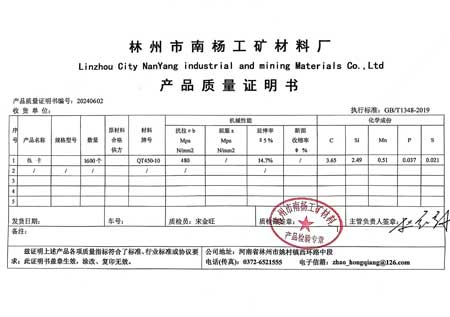
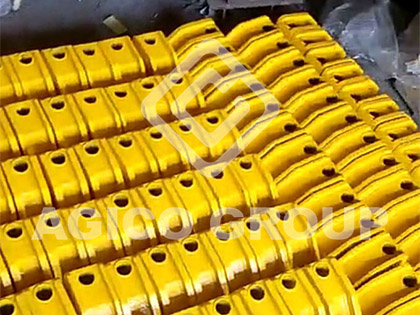
- Clamp(Foot Jaw) requirements: The material of the iron clamp is optimized to QT450-10 ductile cast iron, and must be used together with nuts, flat washers, and spring washers.
Technical Specifications of Rods for Rail Gauge Rod
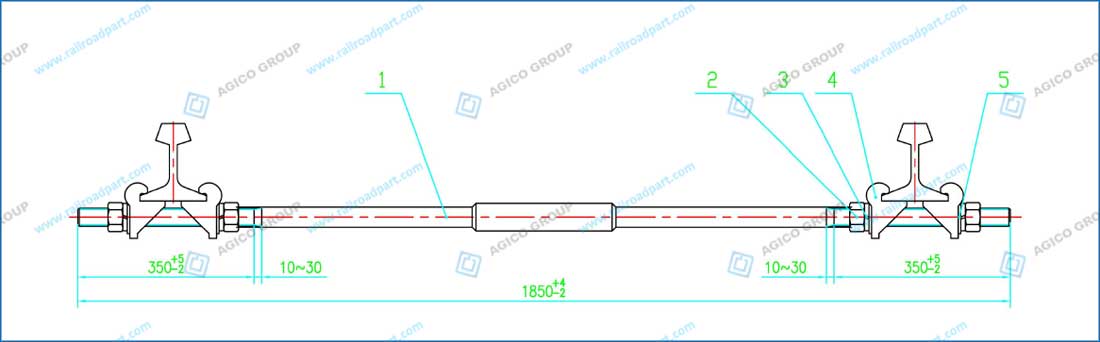
| General notes: Standard full length is 1850 mm for all diameters; some variants are 1810 mm or 1750 mm. Thread length at both ends is uniformly 350 mm. Diameters 32 mm and 36 mm are the most commonly used types overall. | ||||
| Diameter (mm) | Standard Full Length (mm) | Thread Length (Both Ends) (mm) | Applicable Rail (kg/m) | Notes |
|---|---|---|---|---|
| 30 | 1850 | 350 | — | Common diameter; applicable rail not specified in reference. Alternate full lengths available: 1810 mm, 1750 mm. |
| 32 | 1850 | 350 | 38 or 43 | Most widely used diameter. Alternate full lengths: 1810 mm, 1750 mm. |
| 36 | 1850 | 350 | 50 or 60 | Most widely used diameter. Alternate full lengths: 1810 mm, 1750 mm. |
| 38 | 1850 | 350 | 75 | Specifically designed for 75 kg/m heavy rail. Alternate full lengths: 1810 mm, 1750 mm. |
Railroad Gauge Rods Types
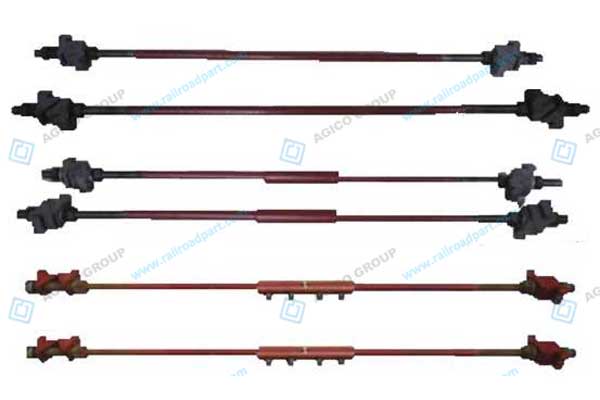
AGICO supplies 2 types of railway gauge rods: common gauge rods and insulated gauge rods. We also offer customized fabrication of gauge rods according to customer drawings. If you are interested, contact us now for more details and a price offer.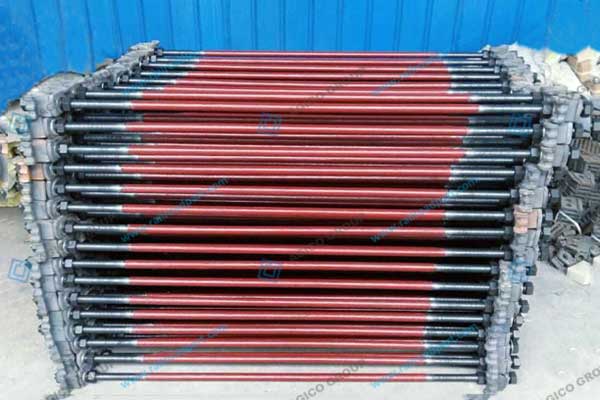 Common Rail Gauge Rods
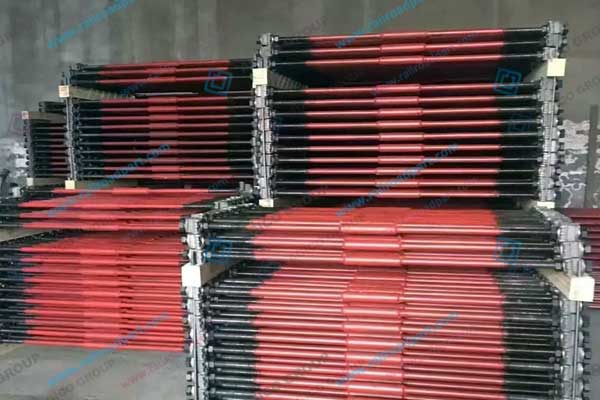 Insulated Rail Gauge Rods
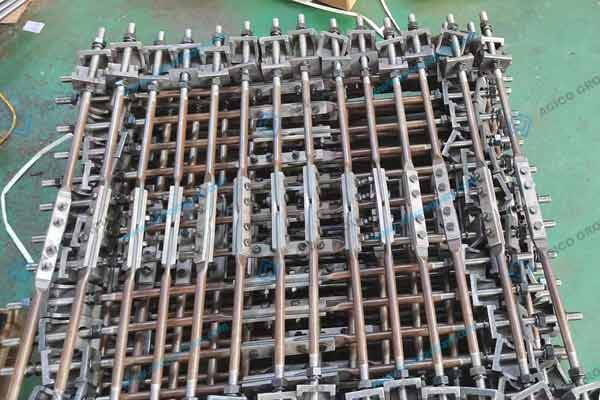 Customized Rail Gauge Rods
- By gauge width, gauge rods are classified into: 600 mm gauge, 762 mm gauge, 900 mm gauge, and 1450 mm gauge, with diameters of 20, 22, 32, 36 mm, etc. Special‑shaped rods can be custom‑made.
-
By material, gauge rods are divided into 2 main categories: common gauge rods and insulated gauge rods. Insulated gauge rods are mainly classified into Type A (JA) and Type B (JB).
Insulated rods are designed to provide intermediate insulation to meet track insulation technical requirements. Ordinary gauge rods are generally installed on curves or in turnout areas. The tensile force of the rod prevents the rails from spreading outward when a locomotive passes. By securing the rails with the rod, the locomotive can pass safely.
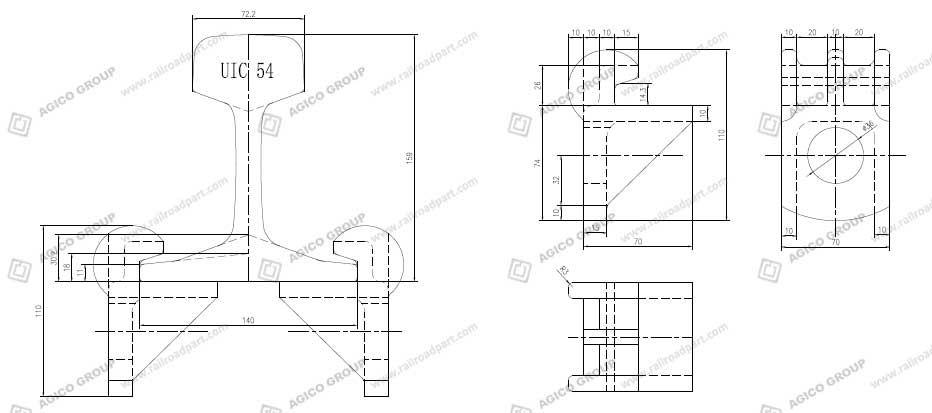
Insulated rail gauge rod structure: an insulated gauge rod consists of 2 round steel bars and an intermediate connecting part. One end of each gauge rod bar is threaded and connects to the rail via bolts and clamps. The other end is secured together by high‑strength insulating plates, insulating blocks, and connecting bolts.
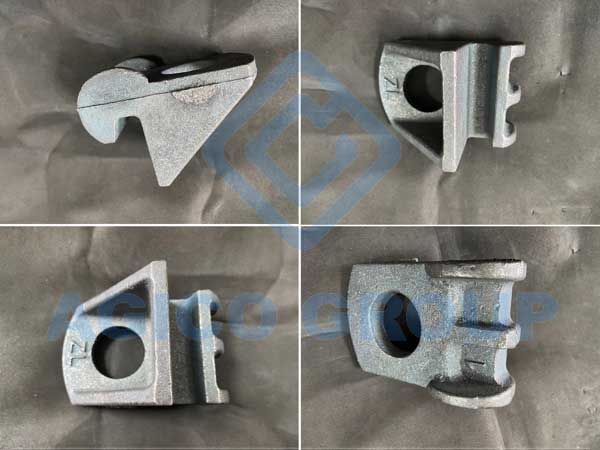 Iron Clamps of Gauge Rod
Application of Rail Gauge Rods
Same as the rail braces, the purpose of rail gauge rod installation is to prevent lateral displacement and tilting of curved rails, avoid gauge widening, and maintain the stability of curved tracks. According to the national standard, common ordinary gauge rods (TB/T 1780) models are produced for 43 kg/m and 50 kg/m steel rails, the rod diameter is 30 mms; for 60 kg/m and 75 kg/m rails, a gauge rod diameter is 36 mm. On lines with track circuits, insulated gauge rods must be used for railway lines with track circuits.
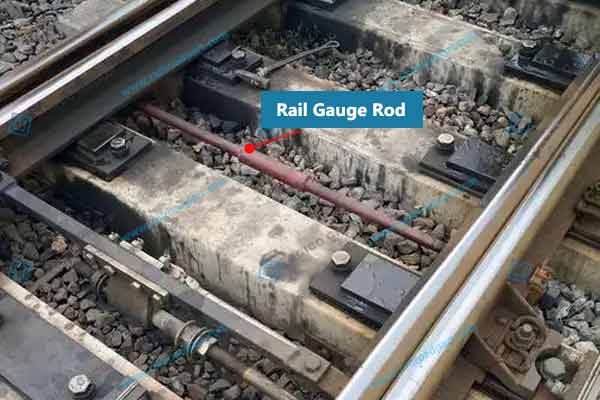
Rail gauge rods are widely used on railway turnouts (switches) to prevent longitudinal stretching of the rails and to maintain the gauge. A gauge rod connects two rails by a single rod, improving the lateral stability of the rails and the track’s ability to maintain gauge. On some railway lines with track circuits, insulating parts are used in the production of the gauge rod. The gauge rod is an important fitting for railway lines, if they are severely missing, the track gauge may deviate, leading to derailment in minor cases or even train overturn in severe cases — the consequences would be disastrous. Our company adheres to the business philosophy of “quality first, safety first”, giving customers high quality railway parts with best price offer!
40LB Railroad Gauge Rod
Railroad Gauge Rod - 40LB Bolt Part Mechanical Property
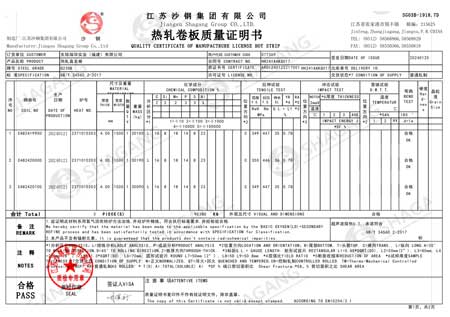
| Bolt | Tensile Strength | Yield Strength | |||||||||
| ≥400 Mpa | ≥320 MPa | ||||||||||
| Actual value | 612Mpa | 400 MPa | |||||||||
| Result | OK | OK | |||||||||
40LB Rail Gauge Rod Chemical Composition
| Material | Raw Material Lot No. | C | Si | P | S | Mn | ||||||||||||||||||||||
| 35k (bolt) | G431000517 | 0.35 | 0.14 | 0.015 | 0.005 | 0.72 | ||||||||||||||||||||||
| Q235B(plated) | G482419900 | 0.16 | 0.08 | 0.018 | 0.008 | 0.18 | ||||||||||||||||||||||
| QT450-10 (FOOT JAWS) | / | 3.65 | 2.49 | 0.037 | 0.021 | 0.51 | ||||||||||||||||||||||
40LB Rail Gauge Rod Components and Dimensions
| No. | Design | Actual Size | Result | |||||||||||||||||||||||||||||||||||||||
| 1 | Component size | 1174 | 1173.5-1176 | OK | ||||||||||||||||||||||||||||||||||||||
| 2 | ¢20 | 20.23-20.3 | OK | |||||||||||||||||||||||||||||||||||||||
| 3 | 230 | 233-236 | OK | |||||||||||||||||||||||||||||||||||||||
| 4 | 230 | 231-234 | OK | |||||||||||||||||||||||||||||||||||||||
| 5 | FOOT JAWS | 58 | 57.9-58.3 | OK | ||||||||||||||||||||||||||||||||||||||
| 6 | 75 | 74.7-75 | OK | |||||||||||||||||||||||||||||||||||||||
| 7 | ¢27.5 | 27.7-27.9 | OK | |||||||||||||||||||||||||||||||||||||||
| 8 | 60 | 59.6-60.2 | OK | |||||||||||||||||||||||||||||||||||||||
| 9 | 19 | 18.8-19 | OK | |||||||||||||||||||||||||||||||||||||||
| 10 | 37 | 37-37.2 | OK | |||||||||||||||||||||||||||||||||||||||
| 11 | 17 | 17-17.18 | OK | |||||||||||||||||||||||||||||||||||||||
| 12 | 15º | 15º | OK | |||||||||||||||||||||||||||||||||||||||
| 13 | Surface | Plain oil | OK | |||||||||||||||||||||||||||||||||||||||
Tests and Certifications of Gauge Rods